നസ്രാണിപ്പറമ്പിലെ സാന്നിധ്യവും തടിയുടെ അത്ഭുതവും
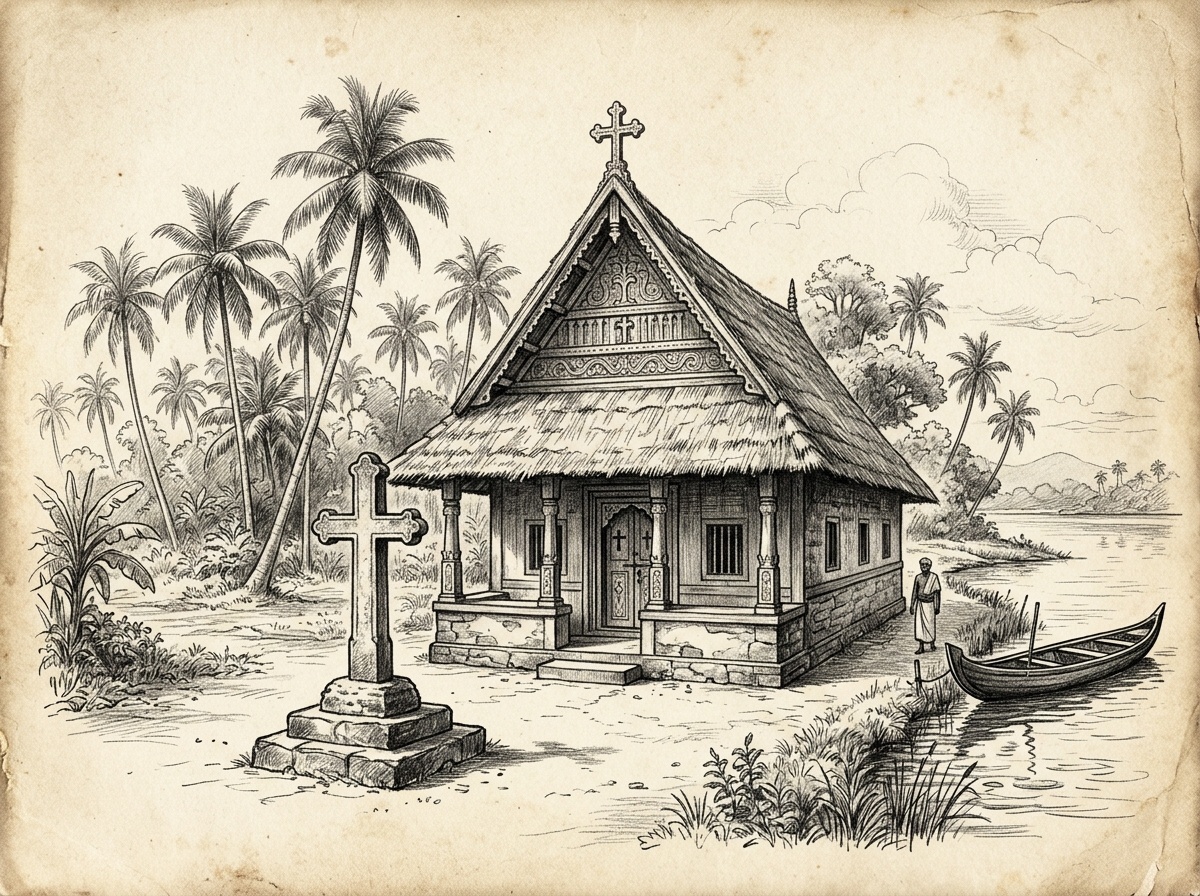
കുലശേഖരമംഗലത്തുനിന്നും ചെമ്പിലേക്കു മാറ്റിസ്ഥാപിച്ച പള്ളി നസ്രാണിപ്പറമ്പിലെന്നാണു സ്ഥിതി ചെയ്തിരുന്നത്. മുൻ ആധാരപ്രകാരം കൊല്ലവർഷം 948-ൽ മങ്കായി മനയിൽ നിന്നും കാരാൺമയായി പതിവുരേഖ കിട്ടിയെങ്കിലും പിന്നീടു കണ്ടെഴുത്തുകാലത്ത്, 993-ൽ കണ്ടെഴുത്തുദ്യോഗസ്ഥന്റെ ദ്രോഹബുദ്ധി മൂലം പുതുവൽപണ്ടാരവകയായി മാറ്റി രേഖയുണ്ടാക്കുകയാണു ചെയ്തത്. അക്കാലത്തെ ഇവിടുത്തെ ക്രൈസ്തവരുടെ ആത്മീയാവശ്യങ്ങളുടെ നിർവ്വഹണത്തിനായി വൈദികർ ഇവിടെ താമസിച്ചിരുന്നു. നസ്രാണിപ്പറമ്പിന്റെ കിഴക്കുവശത്തുള്ള കത്തനാർ കൂട്ട് (ഇന്ന് ലോപിച്ചു കത്തനാകൂട്ട്) പുരയിടവും അതിനു വടക്കായി കപ്യാർ താമസിച്ചിരുന്ന കപ്യാരുപറമ്പും ഇവിടുത്തെ ക്രിസ്ത്യാനികളുടെ മുൻകാല പ്രമാണ്യത്തെ അനുസ്മരിപ്പിക്കുന്ന തെളിവുകളാണ്.
കൂനൻ കുരിശുസത്യത്തിനു ശേഷം രീത്തുപ്രശ്നം ഗുരുതരമാവുകയും സഭാഭരണം പോർട്ടുഗീസ് മേൽക്കോയ്മയുടെ പൂർണ്ണനിയന്ത്രണത്തിലാവുകയും ചെയ്തപ്പോൾ ചെമ്പിൽ ഇടവകയിലെ വടക്കും ഭാഗത്ത് തെക്കുംഭാഗവും വടക്കുംഭാഗവും കുറെ കുടുംബങ്ങൾ യാക്കോബായ വിഭാഗത്തിൽ ഉൾപ്പെട്ടു. എന്നാൽ, ഒരേ പള്ളിയിൽത്തന്നെയാണ് മതകർമ്മങ്ങൾ രണ്ടു കൂട്ടരും അനുഷ്ഠിച്ചുപോന്നത്. കൊല്ലവർഷം 1033 (ഏ.ഡി. 1858)-ൽ കത്തോലിക്കരും യാക്കോബായക്കാരും ഒരേ പള്ളിയിൽ തിരുക്കർമ്മങ്ങൾ അനുഷ്ഠിക്കേണ്ടതിനെ തടഞ്ഞുകൊണ്ടുള്ള വരാപ്പുഴ മെത്രാപ്പോലീത്ത ബർണ്ണർദ്ദീനോസ് തിരുമനസ്സിലെ കൽപ്പനയുടെ പശ്ചാത്തലത്തിൽ പൊതുവായ പള്ളി പൂട്ടേണ്ടിവന്നു. അങ്ങനെ പള്ളിയുടെ കിഴക്കുവശത്തായി പഴയ കൂറ്റുകാരും (കത്തോലിക്കരും) പടിഞ്ഞാറുവശത്തായി പുത്തൻകൂറ്റുകാരും ഓരോ ഷെഡ് വച്ചുകെട്ടി മതകർമ്മങ്ങൾ നടത്തുവാൻ തുടങ്ങി.
പ്രസ്തുത ദേവാലയം പുനരുദ്ധരിച്ചതിനെപ്പറ്റി ഒരു ഐതിഹ്യമുണ്ട്: രോഗം ബാധിച്ചു 40 ദിവസങ്ങളോളം ബോധമറ്റ് ശയ്യാവലംബിയായി കഴിഞ്ഞിരുന്ന അയ്യനാട്ടു പാറായിൽ അവിരാത്തരകനോട് ഒരു വലിയ ആൾ വന്ന് “ഞാൻ മഴ നനഞ്ഞു കിടക്കുന്നത് നീ കാണുന്നില്ലേ” എന്നു ശാസനാസ്വരത്തിൽ പറഞ്ഞശേഷം മറഞ്ഞുപോയി. അധികം താമസിയാതെ തരകൻ രോഗവിമുക്തനായി. ജ്യേഷ്ഠപുത്രനെ വിളിച്ചു തന്നോട് അബോധാവസ്ഥയിൽ ആജ്ഞാപിച്ചത് ചെമ്പിൽ പള്ളിയിലെ തോമ്മാശ്ലീഹായാണെന്നും ഉടനെ അവിടുത്തെ പള്ളി പൊളിച്ചുപണിയണമെന്നും ആവശ്യപ്പെട്ടു. പള്ളിയുടെ പണിക്കു ഭൂരിഭാഗം ചെലവും തരകൻ തന്നെയാണ് വഹിച്ചത്.
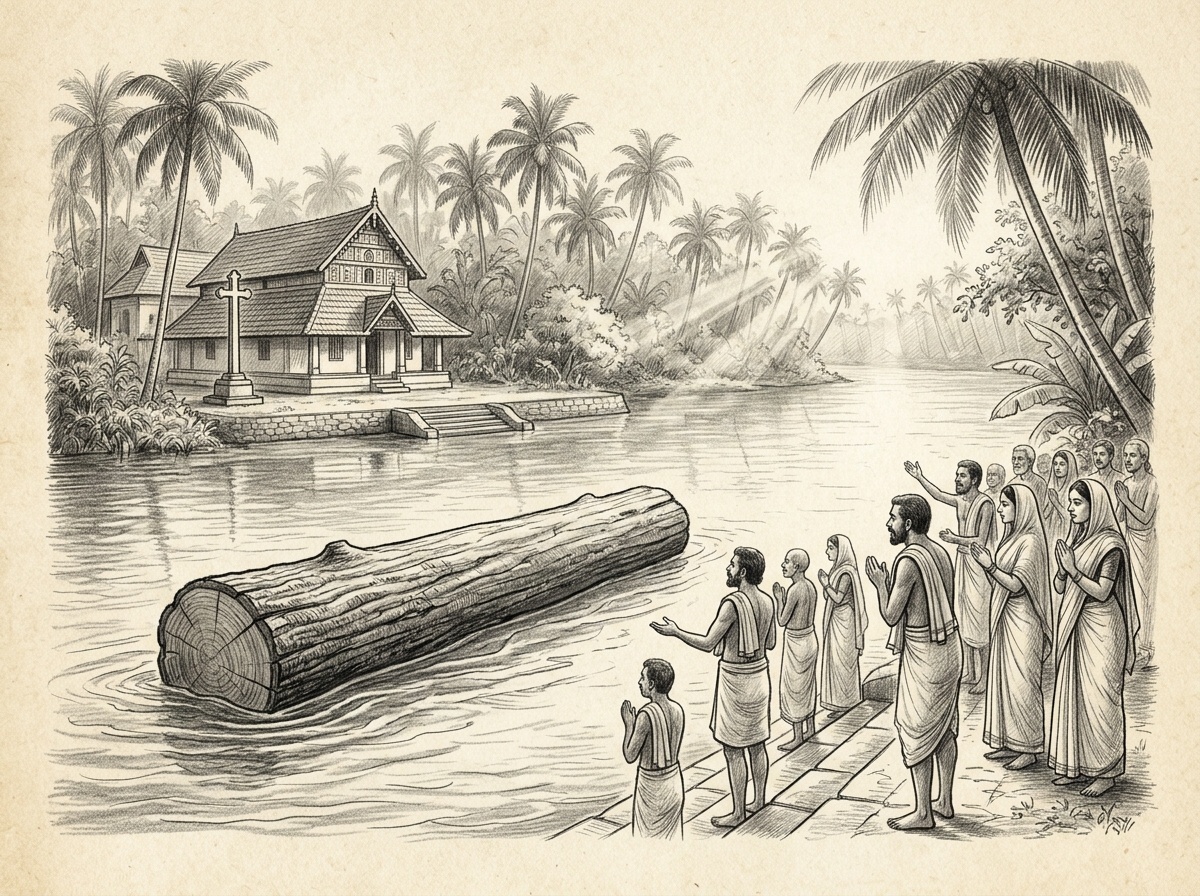
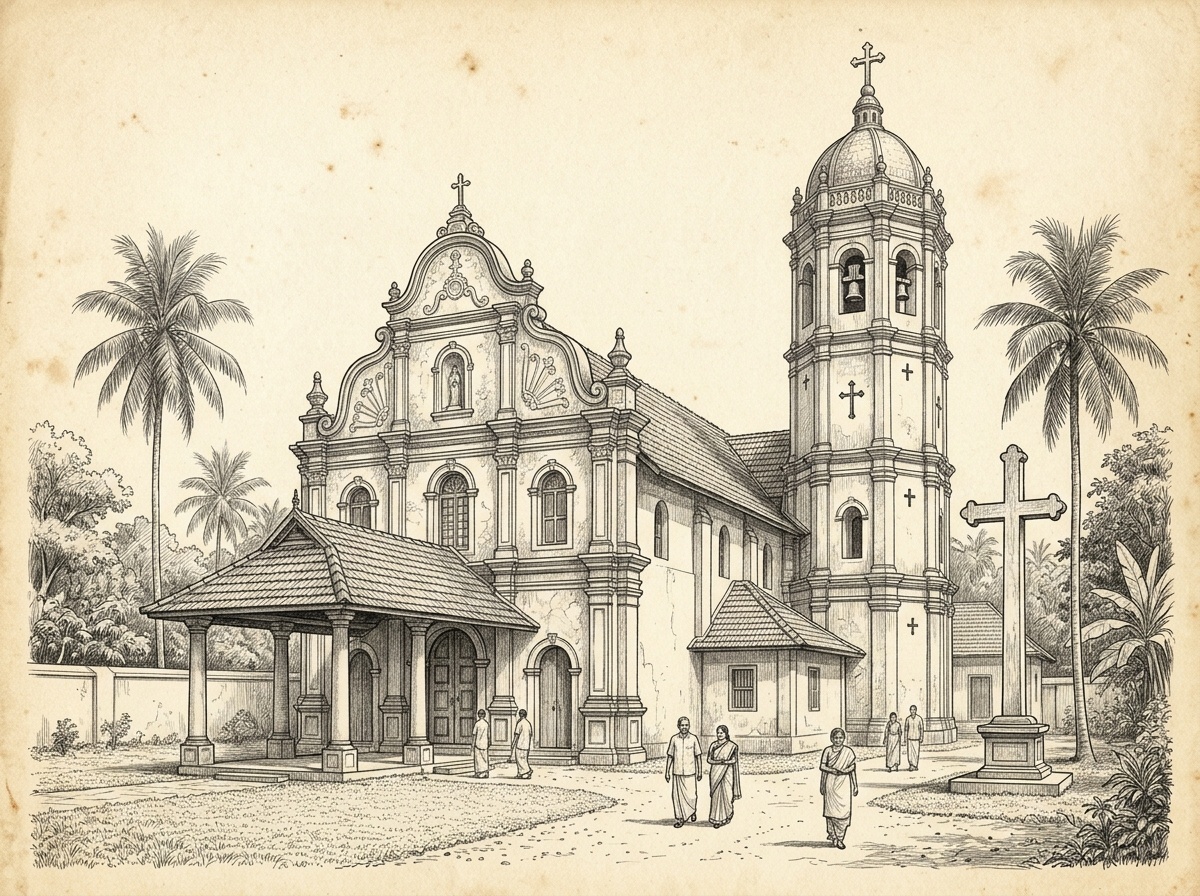
പള്ളി ഉത്തരപ്പൊക്കം വരെ പണിതുയർത്തിയപ്പോൾ ഉത്തരത്തിനുപറ്റിയ നെടിയ തടി ലഭിക്കുന്നതിനു പ്രയാസം നേരിട്ടതുകൊണ്ട് പണി തൽക്കാലം നിർത്തിവെയ്ക്കുവാൻ തീരുമാനിച്ചു. അന്നേ ദിവസം വലിയ കാറ്റും മഴയും വെള്ളപ്പൊക്കവുമുണ്ടായി. അടുത്ത ദിവസം ഞായറാഴ്ച പള്ളിയുടെ കിഴക്കേ പുഴക്കടവിൽ ഉത്തരങ്ങൾക്കുകൂടുന്ന വലിയ ഒരു തേക്കുതടി വന്നടുത്തു. ഇടവക ജനങ്ങൾ ആ തടി വലിച്ചുകയറ്റി പുതിയ പള്ളിക്കുള്ള ഉത്തരങ്ങളാക്കി പണി തുടരുകയും ചെയ്തു. ഈ പള്ളിയുടെ ആശീർവാദകർമ്മം 1966 മെയ് 20-ാം തീയതി പെന്തക്കുസ്താ ദിനത്തിൽ ഭക്തിസാന്ദ്രമായി നടന്നു.
The Nazraniparambu Era & The Miracle of the Floating Timber
Upon moving from Kulasekharamangalam into Chempu, the parish church stood at Nazraniparambu. Ancient deed records recount that in the Malayalam Era (ME) 948, leasehold tenure (*karaanma*) was granted by Mankayi Mana. Resident priests catered to the spiritual needs of the faithful on these grounds. Evidence of this enduring Christian presence remains evident in traditional property names, such as Kathanarkoottu (priests' quarters, now Kathanakoottu) situated east of Nazraniparambu, and Kappyaruparambu (sacristan’s grounds) to the north.
Following the historic Coonan Cross Oath in 1653 and subsequent jurisdictional disputes under the Portuguese Padroado regime, liturgical tensions arose between the Pazhayakoor (Catholics remaining in communion with Rome) and Puthenkoor (Jacobite) sections. Initially, both communities shared the single church edifice for their sacred mysteries. However, in ME 1033 (1858 AD), following a decree from the Vicar Apostolic of Varapuzha, Most Rev. Archbishop Bernardine Baccinelli (OCD), prohibiting simultaneous liturgical celebrations, the central church building was closed. Consequently, the Catholics (Pazhayakoor) erected a temporary thatched shed on the eastern boundary, while the Jacobites (Puthenkoor) built a separate shed on the western side.
A miraculous tradition surrounds the subsequent permanent rebuilding of the Catholic sanctuary: Avirah Tharakan of the Ayanattu Parayil family lay critically ill and bedridden for forty days in a semi-conscious state. A luminous figure appeared before him in a vision, asking with gentle authority: “Do you not see that I am drenched in the rain?” Upon the vision vanishing, Tharakan made an instantaneous, complete recovery. Recognizing that the Apostle St. Thomas had commanded him to replace the deteriorating temporary structure with a worthy house of God, Tharakan summoned his eldest son and undertook the principal financial patronage of the new church construction.
When the masonry walls had risen to roof height, construction stalled because master builders could not source a continuous, massive timber beam long enough to span the wide roof rafters (*utharam*). That very night, severe torrential storms and riverine floods swept through Chempu. On Sunday dawn, parish faithful discovered an extraordinary, perfectly straight teak timber log (*thekku thadi*) that had washed ashore precisely at the church’s eastern river landing (*kadavu*). The astonished congregation hauled the sacred timber ashore, sawed it into the central crossbeams, and triumphantly completed the church. The solemn dedication was celebrated on Pentecost Sunday, 20 May 1966.